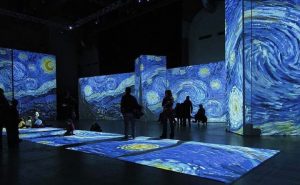
Formal Analysis is when you visually describe the element in a work of art. When writing a formal analysis for a piece of work it is best to decipher the piece of art. Having background information such as the time of place the piece was made in can a give a historical insight. While analyzing the painting try to ask yourself who is the center of the piece? Is the artist trying to focus on one person/object or is it a bunch of things that the artist wants you to focus on? This is called the CENTRAL FOCUS. Although you may not have answers asking a bunch of questions that will help you understand the piece of art and will help your imagination run wild. Evaluate the art work. What is this art work? While analyzing the work of art always keep in mind to SHOW not tell. Show the class where exactly are there soft lines or where in the art there are structured lines. By doing this your formal analysis will consist of depth.
In order to understand truly whats occurring in the piece of work we first have to find out what is the central focus of the art work. Once that is figured out we then look at formal properties. Formal properties consist of contrast, size/scale, composition (is it chalk work? oil painting? water colors?) position, material, and illusionism (how “realistic” (mimesis) does an art work look, line, and color). The second part of a formal analysis is finding the answers to the questions you have asked earlier. Where does this take place? Who was the painting made for? Was it a commissioned painting? What is the message of the painting? Answering and including all of this in your formal analysis will help you understand the elements of the art work and how the art work came to be.


 Formal analysis is one of the main ways of discussing and critiquing a piece of art. Formal analysis consists of examining how the artists uses color, patterns, shape, tone, and the lines in their artwork. In addition, subsections of these main concepts such as contrast, size, scale, primary/ secondary colors, position, composition, material and depth are also used in analyzing artwork. Using these components to compose a formal analysis answers many questions such as why the artist positioned his model a certain way It is the first step into really understanding why the artist decided to create this piece, who was the intended audience, etc. with formal analysis we also take into account the era that the artwork was created as well as the origin and what influences might be included in the piece.